
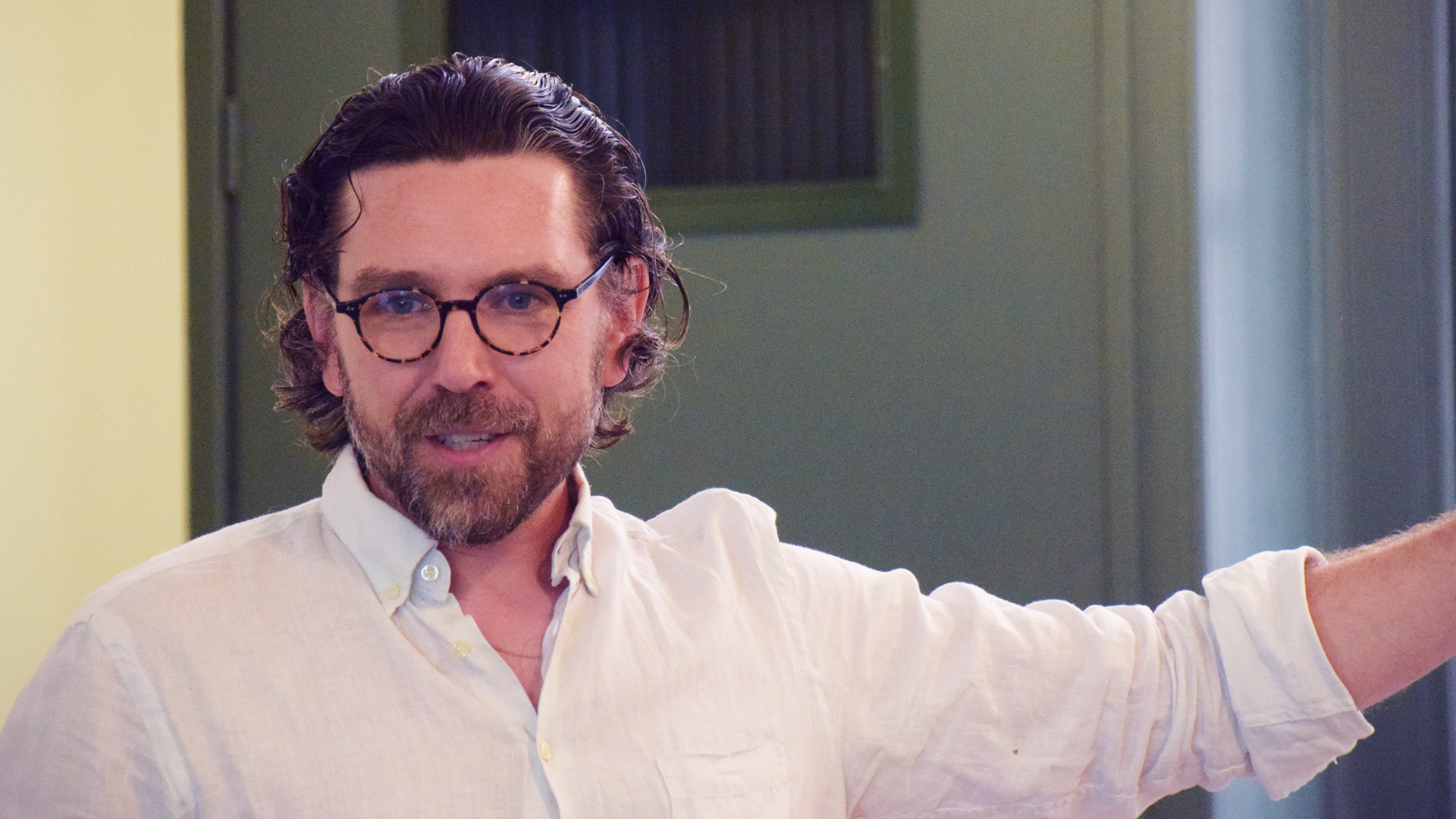
Harpo ‘t Hart joins IAS as Artist-in-Residence
— — —
Harpo ’t Hart, sound artist and artistic director of the Embassy of the North Sea, joined the Institute for Advanced Study in 2025 to explore how listening can serve as a foundation for political representation of the more-than-human world. Through his practice of ecological listening, he challenges human-centered perspectives and advocates for the sea’s political agency. Collaborating with IAS fellows, he investigated interdisciplinary approaches that recognize nature not as passive, but as an active participant in political life. Drawing from his work at the Embassy, he raises compelling questions: Can the sea speak in court? Can soundscapes become legal testimony?
Where Art
Meets Science
— — —
The workshop series Where Art Meets Science explores the many spaces where art and science meet. There are different ways of bridging art and science, such as presenting art and science projects in parallel in public space, co-creating art-science projects together, exploring the perception of art with a scientific lens or looking at human behaviour and natural phenomena with an artistic lens. In each workshop, organisers Prof. Maartje Raijmakers and Eftychia Stamkou aim to develop multiple perspectives for understanding the various ways in which art and science meet.

What does it mean to invite nature to talk?
— — —
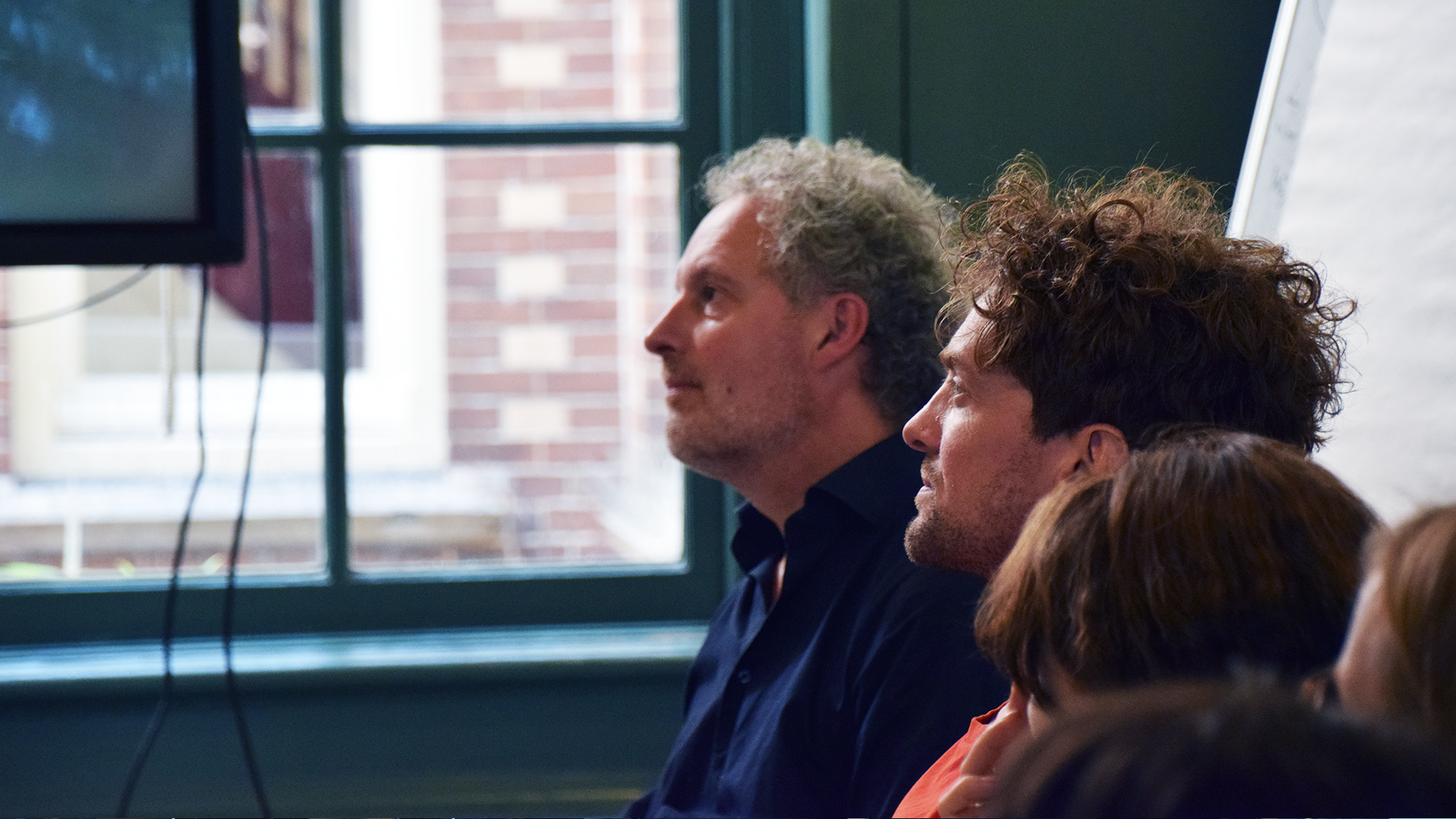
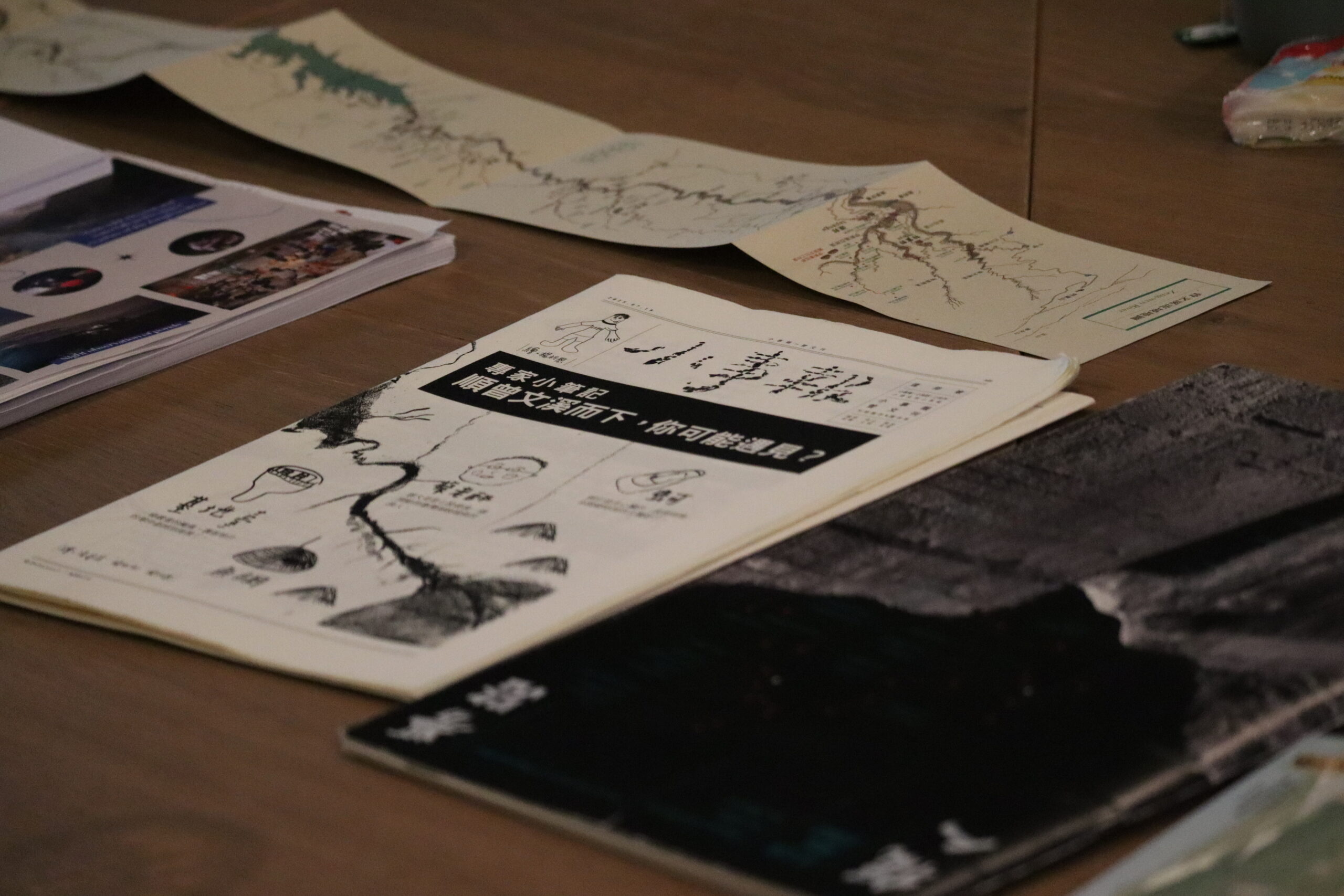
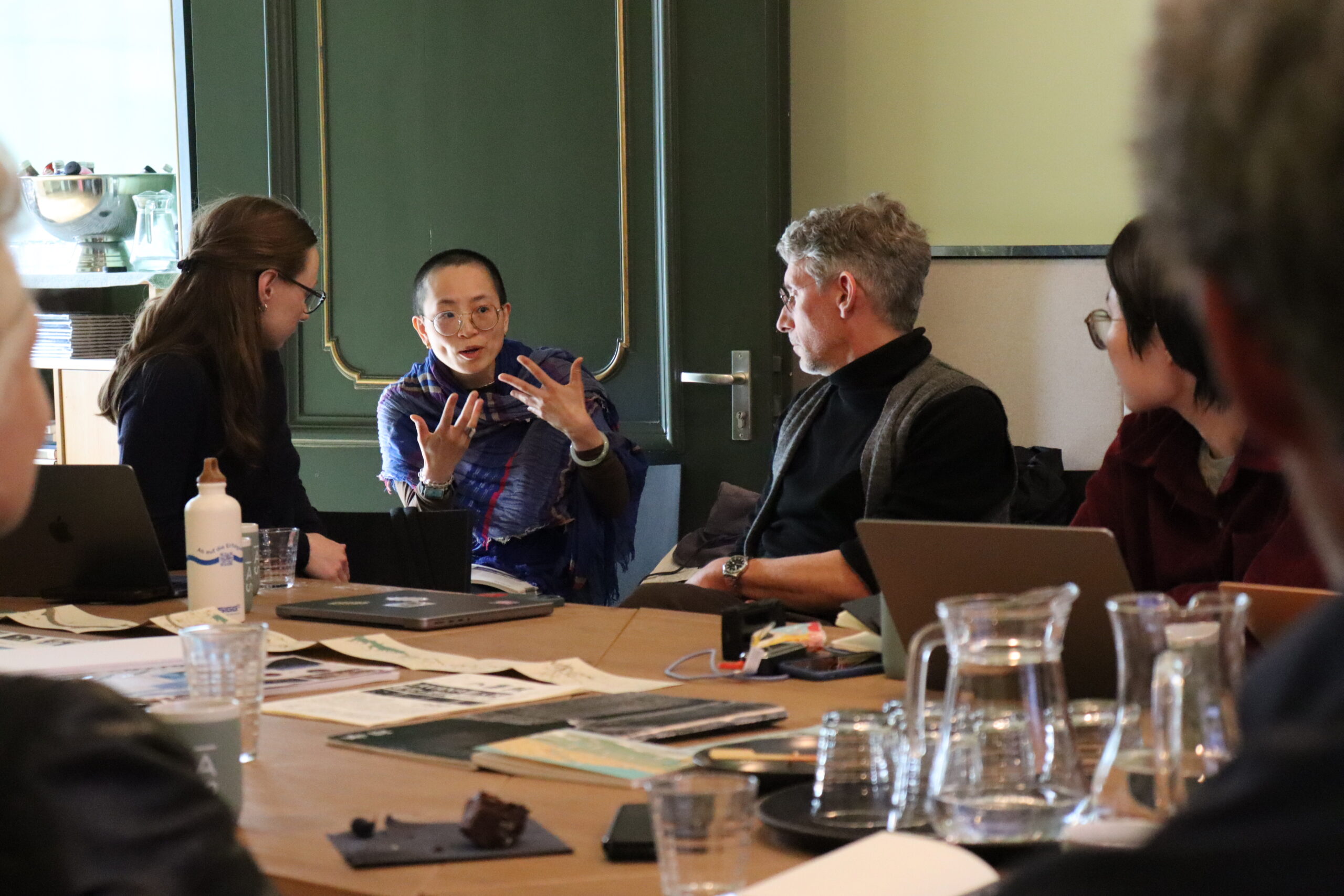
What if rivers, glaciers, and seas could speak for themselves? On 26 September 2025, the Institute for Advanced Study hosted The Parliament of Things in Practice, a workshop led by Artist-in-Residence Harpo ’t Hart and curator Yu-Cheng Hung. Building on The Confluence of European Water Bodies, the event explored how non-human actors might be represented in political and institutional decision-making.
Reading Technocracy: The North Sea
— — —
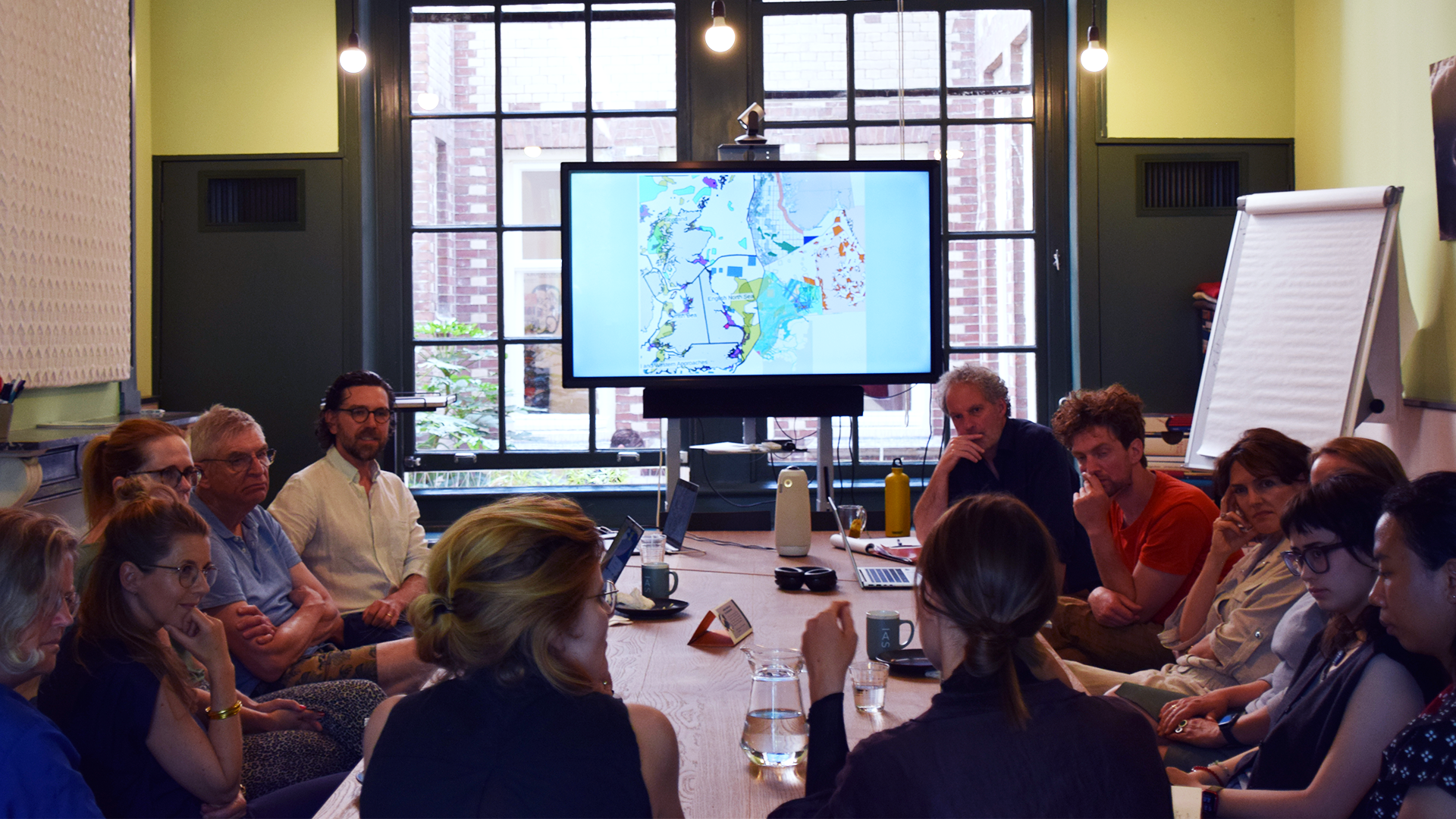
How are decisions about the North Sea made, and who gets to understand them? The Technocracy Reading Club is an initiative by Artist-in-Residence Harpo ’t Hart that brings people together to read and discuss North Sea policy documents, focusing on how technical language, maps, and design choices shape decision-making behind the scenes.